
Joint Pain After 40: Causes, Symptoms & Treatment | Dr. Chintan Hegde
Joint Pain After 40 Is Common
But It Shouldn't Be Ignored
Joint pain after 40 is one of the most common reasons adults visit an orthopedic specialist. Many people notice that activities they once performed comfortably such as climbing stairs, walking long distances, exercising, or even getting up from a chair start causing stiffness, discomfort, or pain.
While aging naturally affects the body, persistent joint pain is not something you should simply accept. At his clinic in Malad, Mumbai, Dr. Chintan Hegde frequently sees patients who assume their symptoms are just a normal part of getting older. However, many of these cases are linked to treatable conditions such as arthritis, cartilage wear, previous sports injuries, or joint degeneration.
Understanding why your joints hurt more after 40 can help you take the right steps to protect your mobility and long-term joint health.
Why Do Joints Hurt More After 40?
As we age, the structures that support our joints gradually change. Cartilage becomes thinner, muscles lose strength, and years of daily movement place stress on the joints.
Common reasons include:
- Natural wear and tear of cartilage
- Osteoarthritis
- Previous sports injuries
- Weight gain
- Reduced muscle strength
- Joint inflammation
- Repetitive stress on joints
While occasional aches may not be concerning, persistent joint pain deserves medical attention.
How Does Aging Affect Your Joints?
Joint cartilage acts as a cushion between bones, allowing smooth and pain free movement.
Over time, cartilage can gradually wear down. As this protective layer becomes thinner, joints experience more friction during movement, leading to pain, stiffness, and reduced flexibility.
Common signs include:
- Morning stiffness
- Joint pain after activity
- Swelling around joints
- Reduced flexibility
- Clicking or grinding sensations
Weight bearing joints such as the knees and hips are often affected first because they absorb significant stress throughout daily life.
Could Osteoarthritis Be Causing Your Joint Pain?
Yes. Osteoarthritis is one of the most common causes of joint pain after 40.
Osteoarthritis develops when cartilage gradually breaks down, causing bones within the joint to move less smoothly against each other. This can lead to pain, inflammation, and reduced mobility.
Common symptoms of osteoarthritis include:
- Joint pain during movement
- Morning stiffness
- Swelling around the joint
- Difficulty climbing stairs
- Reduced range of motion
Many patients from Malad, Goregaon, Kandivali, Borivali, Powai, and across Mumbai initially ignore these symptoms because they develop gradually. However, untreated arthritis can continue to progress over time.
For advanced arthritis affecting mobility and quality of life, knee replacement surgery in Malad may eventually be considered as part of a comprehensive treatment plan.
Can Old Sports Injuries Cause Joint Pain Years Later?
Many adults experience joint pain after 40 because of injuries they suffered years earlier. Even when an injury appears to have healed, damage to ligaments, cartilage, or tendons can affect the joint for years to come.
Common examples include:
- ACL injuries
- Meniscus tears
- Shoulder injuries
- Ankle injuries
- Sports-related trauma
Over time, these injuries may contribute to joint instability, cartilage wear, and arthritis.
Seeking timely evaluation from a sports injury surgeon in Malad can help identify lingering problems and prevent further joint damage.
Does Weight Gain Make Joint Pain Worse?
Yes.
Even a small increase in body weight places additional pressure on weight-bearing joints, particularly the knees and hips.
Research has shown that excess weight can accelerate cartilage wear and worsen arthritis symptoms.
Maintaining a healthy weight may help:
- Reduce pressure on joints
- Improve mobility
- Lower inflammation
- Slow joint degeneration
- Improve overall joint function
Combined with regular exercise, weight management is one of the most effective ways to support long-term joint health.
Which Joints Are Most Commonly Affected After 40?
Joint pain can occur anywhere in the body, but certain joints are more commonly affected because of years of repetitive movement and weight-bearing activity.
Frequently affected joints include:
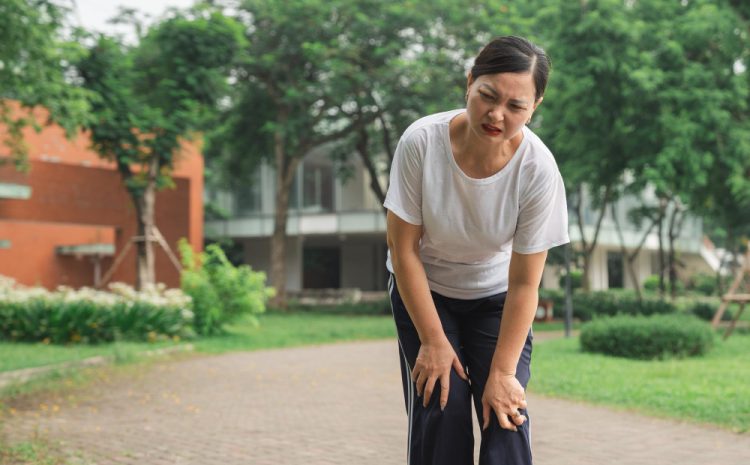
- Knees
- Hips
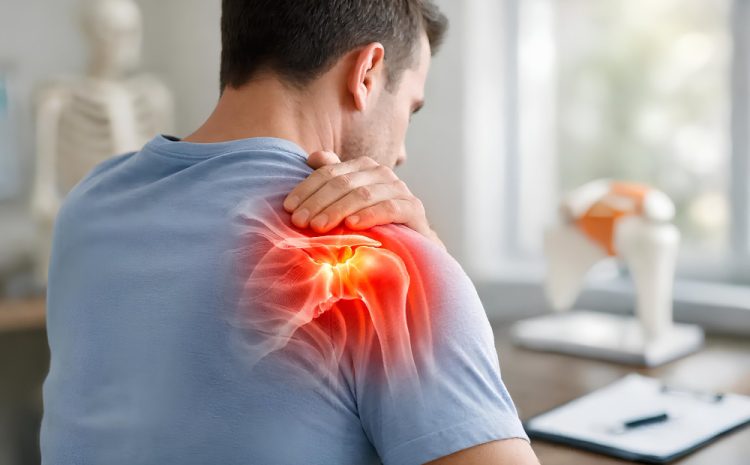
- Shoulders
- Lower back
- Ankles
Persistent pain in these areas should not be dismissed as a normal part of aging.
What Happens If Joint Pain Is Ignored?
Many people delay treatment because symptoms seem manageable at first.
However, untreated joint problems can gradually worsen and lead to:
- Progressive cartilage damage
- Increased stiffness
- Reduced mobility
- Difficulty performing daily activities
- Advanced arthritis
- Reduced quality of life
According to Dr. Chintan Hegde, early diagnosis often allows patients to benefit from simpler and more effective treatment options before significant joint damage occurs.
When Should You See an Orthopedic Doctor?
You should seek professional advice if joint pain begins affecting your daily life.
Consult an orthopedic doctor if you experience:
- Persistent pain lasting several weeks
- Swelling around a joint
- Difficulty walking or climbing stairs
- Joint instability
- Reduced mobility
- Pain that interferes with sleep
Consulting an experienced orthopedic doctor in Malad can help determine whether your symptoms are related to arthritis, cartilage damage, or previous injuries.
How Is Joint Pain Diagnosed?
Accurate diagnosis is essential for developing an effective treatment plan.
Your orthopedic specialist may recommend:
- Physical examination
- Medical history review
- X-rays
- MRI scans
- Joint function assessment
These investigations help identify conditions such as osteoarthritis, cartilage damage, ligament injuries, and joint degeneration.
Treatment Options for Joint Pain After 40
Treatment depends on the cause and severity of symptoms.
Common treatment options include:
- Physiotherapy and rehabilitation
- Activity modification
- Pain management medications
- Weight management
- Joint injections
- Sports injury treatment
- Biological therapies in selected patients
Many patients experience significant improvement with non-surgical treatment when conditions are diagnosed early.
However, individuals with advanced arthritis may benefit from consultation with a joint replacement surgeon in Malad to discuss long-term treatment options.
Modern robotic knee replacement surgery in Malad provides enhanced precision and improved recovery outcomes for suitable candidates with severe knee arthritis.
Expert Insight from Dr. Chintan Hegde
As a leading orthopedic surgeon in Malad, Dr. Chintan Hegde frequently treats patients who assume joint pain after 40 is simply a normal consequence of aging.
In clinical practice, many cases involve treatable conditions such as osteoarthritis, cartilage damage, previous sports injuries, or early joint degeneration. Early intervention often helps reduce pain, preserve mobility, and improve long-term outcomes.
The key is not to wait until symptoms become severe before seeking help.
Frequently Asked Questions
Occasional aches can occur with age, but persistent or worsening joint pain should always be evaluated.
Yes. Osteoarthritis commonly develops after 40 and may cause pain, stiffness, and swelling.
The knees, hips, shoulders, and lower back are among the most frequently affected joints.
Yes. Appropriate exercise can strengthen supporting muscles, improve flexibility, and reduce stress on joints.
No. Many conditions can be effectively managed through physiotherapy, medications, lifestyle changes, and other non-surgical treatments.
Conclusion
Joint pain after 40 is common, but it should never be ignored. While aging contributes to natural changes in the joints, persistent pain often indicates underlying conditions such as osteoarthritis, cartilage wear, previous injuries, or joint degeneration.
Recognizing symptoms early and seeking timely treatment can help prevent further damage, improve mobility, and maintain an active lifestyle. The sooner the cause is identified, the more treatment options are available to protect your long-term joint health.
Don't Let Joint Pain Slow You Down
If you’re experiencing persistent joint pain, stiffness, or reduced mobility after 40, don’t assume it’s just a part of aging.
Consult Dr. Chintan Hegde, a trusted orthopedic doctor in Malad, Mumbai, for a comprehensive evaluation and personalized treatment plan. Patients from Malad, Powai, Goregaon, Kandivali, Borivali, and across Mumbai trust Dr. Hegde for advanced joint care, sports injury treatment, and robotic knee replacement solutions.
Dr. Chintan Hegde
Orthopedic & Robotic Joint Replacement Surgeon
Thunga Hospital
Goraswadi Rd, beside Jaya Niwas Malad, opp. Nirman Hitech Diagnostics,
Malad West, Mumbai, Maharashtra 400064
📞 Phone: +91 7738114373
📧 Email: info@drchintanhegde.com
🌐 Website: https://drchintanhegde.com/