
People Ignore These Bone & Joint Symptoms Until It Gets Serious
Bone and joint symptoms are often ignored until they start affecting daily life. A little knee pain while climbing stairs, stiffness in the morning, shoulder discomfort while lifting objects, or back pain after sitting for long hours may not seem serious initially.
Many people assume these issues are caused by ageing, tiredness, exercise, or temporary strain. However, persistent bone and joint symptoms can sometimes indicate underlying orthopaedic conditions that gradually worsen over time.
Ignoring these warning signs may lead to chronic pain, reduced mobility, joint damage, difficulty walking, and in some cases, the need for advanced treatment or surgery later.
Understanding when your body is asking for help can make a major difference in protecting your long term joint health.
Why Bone & Joint Symptoms Are Often Ignored
Unlike sudden injuries or fractures, orthopaedic problems usually develop slowly. Symptoms may come and go in the early stages, making them easy to dismiss.
People commonly delay treatment because:
- They think the pain is temporary
- Symptoms improve after rest
- They depend on painkillers
- They believe joint pain is normal with age
- Busy lifestyles delay medical attention
- Fear of surgery prevents consultation
Unfortunately, delaying orthopaedic evaluation can allow the condition to progress further.
Bone & Joint Symptoms You Should Never Ignore
1. Persistent Knee Pain
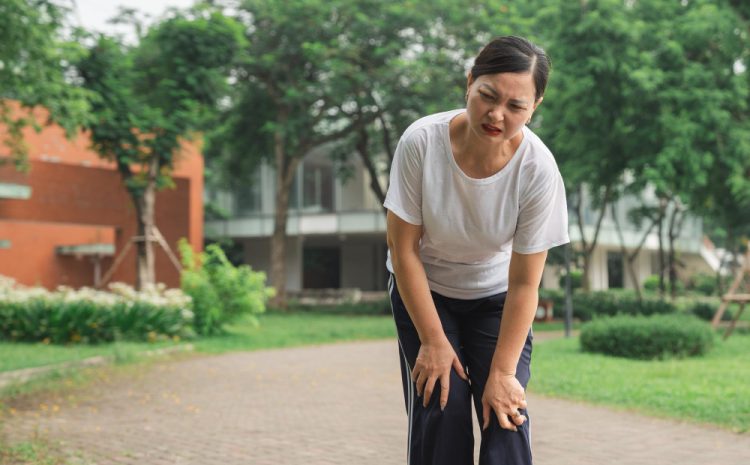
Knee pain is one of the most commonly ignored orthopaedic symptoms.
If your knee pain:
- Lasts for weeks
- Keeps returning
- Worsens while walking or climbing stairs
- Causes stiffness after sitting
- Makes standing difficult
it may indicate arthritis, cartilage damage, ligament issues, or early joint degeneration.
Ignoring long-term knee pain can gradually affect mobility and quality of life.
2. Morning Stiffness in Joints
Do your joints feel tight or stiff after waking up?
Morning stiffness lasting more than a few minutes can be an early sign of:
- Osteoarthritis
- Inflammation
- Joint wear-and-tear
- Reduced joint lubrication
Many people notice stiffness in:
- Knees
- Back
- Neck
- Fingers
- Shoulders
This symptom should not be repeatedly ignored, especially after the age of 40.
3. Difficulty Climbing Stairs
Struggling with stairs is not always just weakness or fatigue.
Pain while climbing stairs often points toward:
- Knee arthritis
- Muscle weakness
- Patellar problems
- Cartilage damage
If you are using railings for support or avoiding stairs due to pain, it may be time for an orthopaedic evaluation.
4. Cracking or Grinding Sounds in Joints
Occasional joint sounds may be harmless. But repeated cracking, grinding, or clicking along with pain can indicate joint damage.
This commonly happens in:
- Knees
- Shoulders
- Ankles
Grinding sensations may occur when cartilage starts wearing down and joint movement becomes less smooth.
5. Shoulder Pain While Lifting the Arm
Many people ignore shoulder pain until it begins affecting sleep or daily movement.
Symptoms like:
- Pain while lifting objects
- Difficulty raising the arm
- Weakness in the shoulder
- Pain at night
can indicate rotator cuff injuries, tendon inflammation, or shoulder impingement.
Early treatment can often prevent worsening damage.
6. Back Pain That Keeps Returning
Back pain is extremely common, but recurring or persistent pain should not be ignored.
You should pay attention if:
- Pain radiates down the leg
- Sitting becomes uncomfortable
- Numbness or tingling occurs
- Pain affects sleep or walking
These symptoms may suggest spinal disc issues, nerve compression, or posture-related degeneration.
7. Difficulty Sitting on the Floor or Getting Up
Many patients slowly stop sitting cross-legged or squatting because of knee stiffness and pain.
This may indicate:
- Knee arthritis
- Reduced flexibility
- Joint inflammation
- Cartilage wear
Early intervention can help slow progression and improve movement.
What Happens If You Ignore These Symptoms?
Ignoring orthopaedic symptoms can gradually lead to:
- Chronic pain
- Reduced mobility
- Muscle weakness
- Joint stiffness
- Loss of flexibility
- Reduced physical activity
- Weight gain
- Worsening arthritis
- Permanent joint damage
Many people eventually seek treatment only when daily activities become severely affected.
When Should You See an Orthopaedic Specialist?
You should consult an orthopaedic specialist if:
- Pain lasts longer than 2–3 weeks
- Daily activities become difficult
- Walking speed reduces
- Joint swelling develops
- You depend on painkillers regularly
- Sleep gets disturbed due to pain
- Stiffness becomes frequent
Early diagnosis can help identify the problem before major damage occurs.
How Orthopaedic Problems Are Diagnosed
An orthopaedic evaluation may include:
- Physical examination
- Movement assessment
- X-rays
- MRI scans
- Joint stability tests
- Posture evaluation
Proper diagnosis helps determine whether the problem can be managed through medication, physiotherapy, lifestyle changes, or advanced treatment.
Can Bone & Joint Problems Be Prevented?
While ageing cannot be stopped, healthy habits can help protect bones and joints.
Tips for Better Joint Health
- Maintain a healthy body weight
- Stay physically active
- Strengthen muscles regularly
- Avoid prolonged sitting
- Improve posture
- Wear supportive footwear
- Treat injuries early
- Avoid ignoring recurring pain
Prevention and early treatment are always better than delayed intervention.
Modern Treatments for Bone & Joint Problems
Depending on the condition, treatment options may include:
- Physiotherapy
- Pain management
- Joint injections
- Lifestyle modifications
- Arthroscopy
- Sports injury treatment
- Robotic joint replacement surgery
Modern orthopaedic care focuses on improving mobility, reducing pain, and helping patients return to daily life comfortably.
Conclusion
Bone and joint symptoms rarely become serious overnight. The body often gives warning signs early — persistent pain, stiffness, swelling, reduced flexibility, or difficulty performing daily activities.
Ignoring these bone and joint symptoms may allow the condition to worsen gradually and affect long-term mobility and quality of life.
Seeking timely orthopaedic care can help identify the cause early, reduce complications, and improve recovery outcomes. If bone or joint pain has become a regular part of your life, it may be time to stop ignoring what your body is trying to tell you.
Your Knees Deserve Attention
Persistent knee pain can affect your mobility and daily life. Get the right diagnosis and advanced treatment from Dr. Chintan Hegde.
Dr. Chintan Hegde
Orthopedic & Robotic Joint Replacement Surgeon
Thunga Hospital
Goraswadi Rd, beside Jaya Niwas Malad, opp. Nirman Hitech Diagnostics,
Malad West, Mumbai, Maharashtra 400064
📞 Phone: +91 7738114373
📧 Email: info@drchintanhegde.com
🌐 Website: https://drchintanhegde.com/