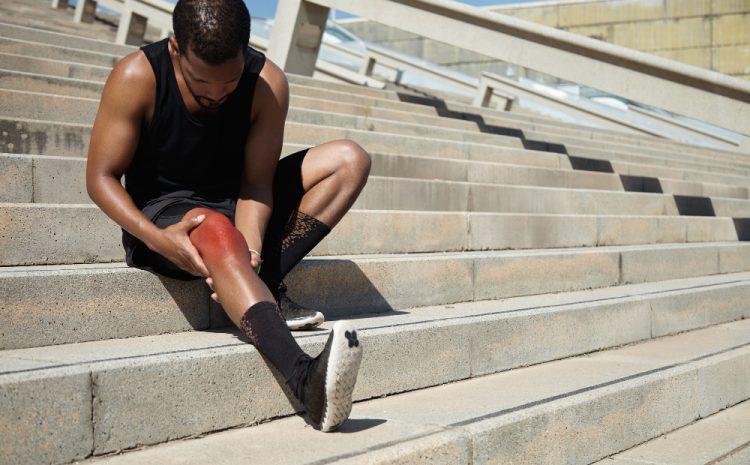
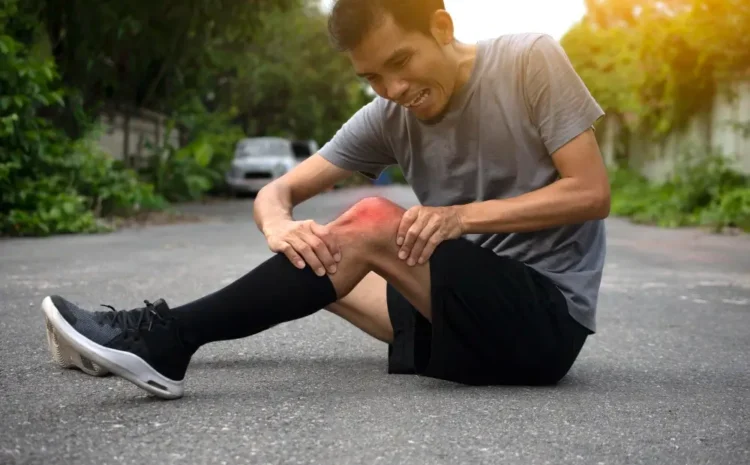
Can’t Sit on the Floor Anymore? Your Knees Are Trying to Tell You Something
Bone and joint symptoms are often ignored until they start affecting daily life. A little knee pain while climbing stairs, stiffness in the morning, shoulder discomfort while lifting objects, or back pain after sitting for long hours may not seem serious initially.
Many people assume these issues are caused by ageing, tiredness, exercise, or temporary strain. However, persistent bone and joint symptoms can sometimes indicate underlying orthopaedic conditions that gradually worsen over time.
Why Sitting on the Floor Becomes Difficult
Healthy knees bend smoothly and support body weight without discomfort. But when the knee joint starts losing cartilage or becomes inflamed, even simple movements become painful.
Activities like:
- Sitting cross-legged
- Squatting
- Climbing stairs
- Getting up from the floor
- Using Indian-style toilets
require deep knee bending. When the knee joint is damaged or stiff, these movements become difficult.
Many patients first notice:
- Tightness in the knees
- Pain while folding legs
- Cracking sounds
- Knee stiffness after sitting
- Needing support to stand up
These are not signs to casually ignore.
Common Reasons Behind Knee Pain While Sitting on the Floor
1. Knee Arthritis
One of the most common reasons is osteoarthritis of the knee. This happens when the protective cartilage inside the knee gradually wears down.
As the cushioning reduces, bones start rubbing against each other, causing:
- Pain
- Swelling
- Stiffness
- Reduced flexibility
This condition becomes more common after the age of 45–50 but can also affect younger individuals due to obesity, injuries, or lifestyle factors.
2. Joint Stiffness Due to Lack of Movement
Long sitting hours, desk jobs, low physical activity, and weight gain can reduce joint mobility over time.
When the knee joint becomes stiff:
- Folding the legs feels uncomfortable
- Standing up becomes slow
- Knees feel “jammed” after rest
Early stiffness is often reversible if treated properly.
3. Meniscus or Cartilage Damage
The knee contains shock-absorbing cartilage called the meniscus. Injury or wear-and-tear can damage this structure.
Symptoms may include:
- Sharp pain while bending
- Locking sensation
- Clicking sounds
- Difficulty squatting
Ignoring these symptoms may worsen joint damage.
4. Weak Muscles Around the Knee
Weak thigh and leg muscles reduce support to the knee joint. This increases pressure on the knees during daily activities.
People with weak muscles often experience:
- Pain while getting up
- Knee instability
- Difficulty sitting cross-legged
- Faster tiredness while walking
Signs Your Knee Problem Should Not Be Ignored
Occasional discomfort may improve with rest, but certain symptoms need medical attention.
Watch out for:
- Persistent knee pain for weeks
- Swelling around the joint
- Pain while climbing stairs
- Difficulty standing after sitting
- Morning stiffness
- Cracking or grinding sounds
- Reduced walking speed
- Needing support while getting up
These signs may indicate progressing knee degeneration or arthritis.
How Knee Problems Affect Daily Life
Many people slowly adjust their lifestyle around knee pain without realising it.
They begin avoiding:
- Sitting on the floor
- Religious activities
- Family gatherings
- Travel
- Walking long distances
- Playing with children
- Stairs and physical activity
Over time, reduced movement can lead to weight gain, muscle weakness, and worsening joint damage.
The earlier knee problems are diagnosed, the better the chances of managing them without major surgery.
Can Knee Pain Be Treated Without Surgery?
Yes, in many cases, early knee problems can be managed without surgery if diagnosed on time.
Treatment options may include:
- Physiotherapy
- Weight management
- Lifestyle modifications
- Knee strengthening exercises
- Anti-inflammatory medications
- Joint injections
- Activity correction
However, if severe arthritis has already damaged the knee joint significantly, knee replacement surgery may become the most effective long-term solution.
When Is Knee Replacement Considered?
Doctors may recommend knee replacement when:
- Pain affects daily activities
- Walking becomes difficult
- Medicines stop helping
- Sleep gets disturbed due to pain
- Knee stiffness becomes severe
- Quality of life reduces significantly
Modern knee replacement techniques are safer, more precise, and allow faster recovery compared to older methods.
Tips to Keep Your Knees Healthy
Simple habits can help protect your knee joints:
- Maintain a healthy body weight
- Stay physically active
- Strengthen leg muscles
- Avoid sitting continuously for long hours
- Wear supportive footwear
- Avoid ignoring persistent pain
- Seek early orthopaedic consultation
Taking early action can help prevent long-term joint damage.
When Should You See an Orthopaedic Specialist?
You should consult an orthopaedic specialist if:
- Knee pain lasts more than a few weeks
- Sitting on the floor becomes difficult
- You feel stiffness daily
- Walking speed has reduced
- You depend on painkillers regularly
- Knee pain affects your routine activities
Early diagnosis can help identify the root cause and improve long-term joint health.
Conclusion
Difficulty sitting on the floor is not always “just age.” Your knees may be showing early signs of arthritis, stiffness, cartilage damage, or joint degeneration.
Ignoring these symptoms can gradually affect mobility, independence, and quality of life. The good news is that timely treatment, lifestyle changes, and proper orthopedic care can help manage knee problems effectively and improve movement before the condition worsens.
If your knees are constantly painful, stiff, or limiting your daily activities, it may be time to listen to what your body is trying to tell you.
Your Knees Deserve Attention
Persistent knee pain can affect your mobility and daily life. Get the right diagnosis and advanced treatment from Dr. Chintan Hegde.
Dr. Chintan Hegde
Orthopedic & Robotic Joint Replacement Surgeon
Thunga Hospital
Goraswadi Rd, beside Jaya Niwas Malad, opp. Nirman Hitech Diagnostics,
Malad West, Mumbai, Maharashtra 400064
📞 Phone: +91 7738114373
📧 Email: info@drchintanhegde.com
🌐 Website: https://drchintanhegde.com/