
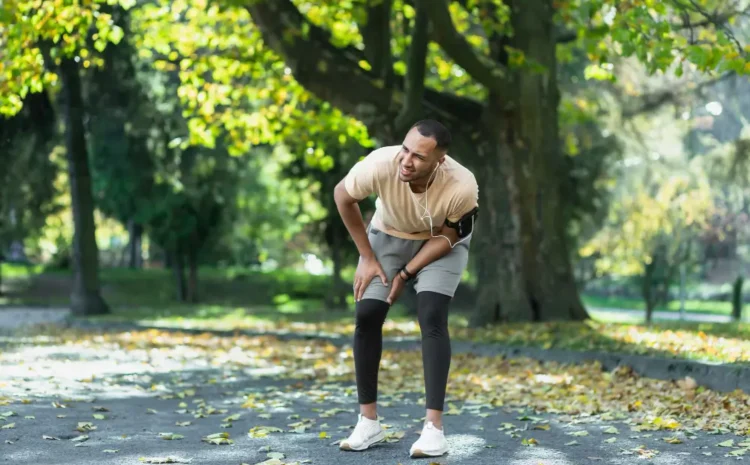
Why Has Walking Become Difficult Even Without an Injury?
Why Has Walking Become Difficult Even Without an Injury?
Understanding Why Walking Problems Can Develop Gradually
Difficulty walking without injury is a common concern that many adults experience, especially after the age of 40. While most people associate walking difficulties with falls, accidents, or fractures, problems with mobility can develop gradually even when there has been no recent injury.
Many patients visiting Dr. Chintan Hegde’s orthopaedic clinic in Malad, Mumbai, report that they are walking slower, struggling with stairs, or feeling stiffness in their knees and hips despite not experiencing any obvious trauma. In many cases, these symptoms are linked to underlying joint conditions that can worsen if left untreated.
The good news is that early diagnosis can help identify the cause and prevent further joint damage, allowing patients to maintain an active and independent lifestyle.
What Causes Difficulty Walking Without an Injury?
Walking requires healthy joints, strong muscles, and good balance. When any of these are affected, mobility can become increasingly difficult.
Common causes include:
- Osteoarthritis
- Knee joint degeneration
- Hip arthritis
- Muscle weakness
- Previous sports injuries
- Cartilage wear and tear
- Joint inflammation
Identifying the exact cause is important because treatment options vary depending on the underlying condition.
Could Knee Arthritis Be Affecting Your Mobility?
One of the most common reasons for difficulty walking without injury is knee osteoarthritis. This condition occurs when the protective cartilage inside the knee gradually wears down, causing pain, stiffness, and reduced movement.
Initially, patients may notice discomfort while climbing stairs, standing for long periods, or walking longer distances. Over time, even routine activities can become challenging.
Common symptoms of knee arthritis include:
- Knee pain during walking
- Morning stiffness
- Swelling around the knee
- Difficulty climbing stairs
- Reduced walking endurance
In advanced cases, knee arthritis may significantly affect daily life and require specialized treatments such as knee replacement surgery in Malad or robotic knee replacement surgery in Malad to restore mobility and improve quality of life.
Can Hip Problems Make Walking Difficult?
Yes. The hip joint plays a crucial role in supporting body weight and maintaining balance during movement.
When the hip joint becomes affected by arthritis or degeneration, patients often develop a limp, experience stiffness, or find it difficult to walk comfortably. These symptoms usually develop gradually and are often mistaken for normal aging.
Warning signs of hip joint problems include:
- Hip or groin pain
- Stiffness after sitting
- Difficulty walking long distances
- Reduced range of motion
- Limping while walking
Early treatment can help slow disease progression and preserve joint function.
Can Previous Sports Injuries Cause Walking Difficulties?
Absolutely. Many people experience mobility problems years after an old injury.
Untreated ligament injuries, cartilage damage, meniscus tears, or repetitive stress from sports can contribute to joint degeneration later in life. Even if the injury appeared to heal, it may continue to affect joint mechanics.
Previous injuries that may impact walking include:
- Ligament tears
- Meniscus injuries
- Knee injuries
- Ankle injuries
- Sports-related trauma
Seeking timely care from a sports injury surgeon in Malad can help identify lingering damage and prevent long-term mobility issues.
Can Muscle Weakness Affect Your Ability to Walk?
Walking is not only dependent on healthy joints. Strong muscles around the hips, knees, and core are equally important.
As people age, reduced physical activity can lead to muscle weakness, placing additional strain on the joints. This can make walking feel more difficult, even when no injury is present.
Maintaining muscle strength may help:
- Improve balance
- Reduce stress on joints
- Increase walking endurance
- Lower the risk of falls
- Support overall mobility
Physiotherapy and targeted exercises are often recommended to improve strength and movement.
Signs You Should Not Ignore
While occasional discomfort may occur, persistent mobility problems should never be ignored.
Consult an orthopaedic specialist if you experience:
- Difficulty walking for several weeks
- Persistent knee or hip pain
- Swelling around the joints
- Joint stiffness
- Reduced walking distance
- Difficulty climbing stairs
- Loss of balance
Early diagnosis often leads to more effective treatment and better outcomes.
When Should You See an Orthopedic Doctor?
If walking has become progressively more difficult despite no injury, it is important to seek professional evaluation.
Consulting an experienced orthopedic doctor in Malad can help determine whether your symptoms are related to arthritis, cartilage wear, muscle weakness, or a previous injury. Early assessment often prevents minor problems from becoming severe mobility limitations.
Patients experiencing advanced joint degeneration may benefit from consultation with a joint replacement surgeon in Malad to understand available treatment options.
How Is Difficulty Walking Diagnosed?
A thorough evaluation helps identify the root cause of mobility issues.
Diagnosis may include:
- Physical examination
- Medical history review
- X-rays
- MRI scans
- Gait and mobility assessment
These investigations help identify conditions such as osteoarthritis, cartilage damage, ligament injuries, and joint degeneration.
Treatment Options for Difficulty Walking
Treatment depends on the severity of symptoms and the underlying diagnosis.
Common treatment options include:
- Lifestyle modifications
- Physiotherapy and rehabilitation
- Pain management medications
- Weight management
- Joint injections
- Sports injury treatment
- Arthroscopic procedures
- Robotic knee replacement surgery
- Joint replacement surgery
Many patients improve significantly with early non-surgical treatment, making timely diagnosis extremely important.
Expert Insight from Dr. Chintan Hegde
As a trusted orthopedic surgeon in Malad, Dr. Chintan Hegde frequently evaluates patients who assume difficulty walking is simply a sign of aging. However, clinical assessment often reveals underlying conditions such as osteoarthritis, cartilage damage, hip degeneration, or the long-term effects of previous sports injuries.
Early diagnosis allows these conditions to be treated before they significantly impact mobility. With the right treatment plan, many patients can reduce pain, improve movement, and continue enjoying an active lifestyle.
Frequently Asked Questions
Walking difficulties may be caused by arthritis, muscle weakness, joint degeneration, or previous untreated injuries.
Yes. Arthritis can cause pain, stiffness, swelling, and reduced joint movement, making walking increasingly difficult.
No. While some age-related changes occur, persistent walking difficulties should always be evaluated.
Yes. Physiotherapy can strengthen muscles, improve balance, and support better mobility.
You should seek medical advice if symptoms persist, worsen, or begin affecting daily activities.
Conclusion
Difficulty walking without injury is often a sign that an underlying joint, muscle, or mobility issue needs attention. Conditions such as osteoarthritis, knee degeneration, hip problems, and previous sports injuries can gradually affect your ability to move comfortably.
Recognizing symptoms early and seeking professional care can help prevent further joint damage, improve mobility, and maintain your independence. The sooner the cause is identified, the sooner effective treatment can begin.
Finding It Difficult to Walk Without an Injury?
Don’t ignore persistent mobility problems or joint stiffness. Early diagnosis can help identify the underlying cause and prevent long-term complications.
Consult Dr. Chintan Hegde,
a leading orthopedic doctor in Malad, Mumbai, for a comprehensive evaluation and personalized treatment plan. Patients from Malad, Powai, Goregaon, Kandivali, Borivali, and across Mumbai trust Dr. Hegde for advanced orthopaedic care and mobility-focused treatments.
Dr. Chintan Hegde
Orthopedic & Robotic Joint Replacement Surgeon
Thunga Hospital
Goraswadi Rd, beside Jaya Niwas Malad, opp. Nirman Hitech Diagnostics,
Malad West, Mumbai, Maharashtra 400064
📞 Phone: +91 7738114373
📧 Email: info@drchintanhegde.com
🌐 Website: https://drchintanhegde.com/