Knee Pain While Driving: Causes and When to Get It Checked
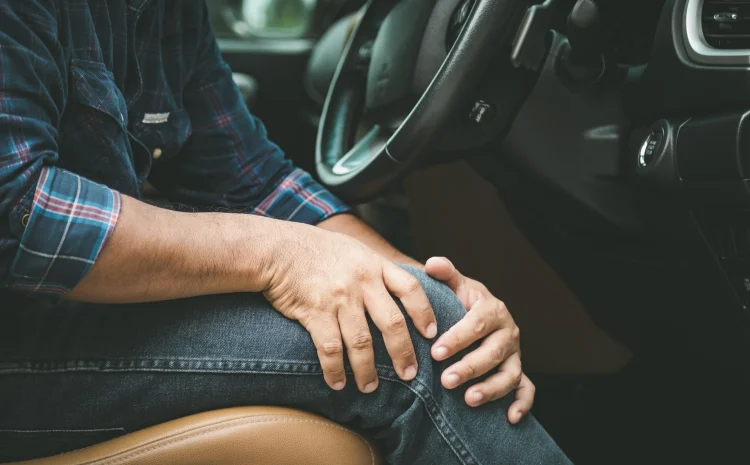
Driving should feel comfortable, but for some people, sitting behind the wheel leads to knee stiffness, aching or discomfort. Whether you commute daily or travel long distances, knee pain while driving can make even routine journeys uncomfortable.
The discomfort may develop from prolonged sitting, repetitive pedal movements or an underlying knee condition. Understanding the possible causes can help you recognise when a change in driving habits may be enough and when medical assessment is necessary.
Why Does Your Knee Hurt While Driving?
Knee pain while driving commonly occurs because the joint remains bent for long periods, while repeated pedal movements place demands on the surrounding muscles and tissues.
Several factors may contribute:
- Prolonged Sitting: Keeping your knee bent for extended periods can increase discomfort, particularly around the kneecap.
- Patellofemoral Pain Syndrome: Pain around or behind the kneecap may worsen after sitting with bent knees.
- Knee Osteoarthritis: Joint changes may cause stiffness, aching and reduced mobility, especially after inactivity.
- Poor Driving Posture: An uncomfortable seat position may increase strain on the knee and surrounding muscles.
- Previous Knee Injuries: Earlier ligament, cartilage or meniscus injuries may contribute to discomfort during prolonged driving.
The exact cause depends on your symptoms, medical history and physical examination.
Common Symptoms You Shouldn't Ignore
Knee discomfort during or after driving may appear as:
- Stiffness when getting out of the car
- Pain around or behind the kneecap
- Discomfort while pressing the accelerator, brake or clutch
- Difficulty straightening the knee after sitting
- Swelling, catching or reduced knee movement
If symptoms repeatedly affect driving or daily activities, an orthopaedic assessment may help identify the underlying problem.
How Can You Reduce Knee Pain While Driving?
Small adjustments may help reduce driving-related knee discomfort.
- Adjust Your Seat: Maintain a comfortable distance from the pedals without excessively bending or stretching your knees.
- Take Regular Breaks: During long journeys, stop safely to stand, walk and gently move your legs.
- Maintain Comfortable Posture: Support your lower back and avoid unnecessary pressure around the knees.
- Strengthen Supporting Muscles: Appropriate quadriceps and hip-strengthening exercises may improve knee function.
- Avoid Driving Through Significant Pain: If discomfort affects your ability to operate the pedals safely, stop driving and seek medical advice.
Persistent pain may require targeted treatment rather than posture adjustments alone.
When Should You Get Knee Pain Checked?
Consult an orthopaedic specialist if knee pain:
- Continues or repeatedly returns
- Interferes with walking, driving or climbing stairs
- Causes persistent swelling or stiffness
- Is associated with locking, instability or reduced movement
- Gradually worsens despite activity modifications
Seek urgent medical attention for severe pain after an injury, inability to bear weight, a hot and swollen knee with fever, or significant one-sided calf swelling.
How Is Driving-Related Knee Pain Diagnosed?
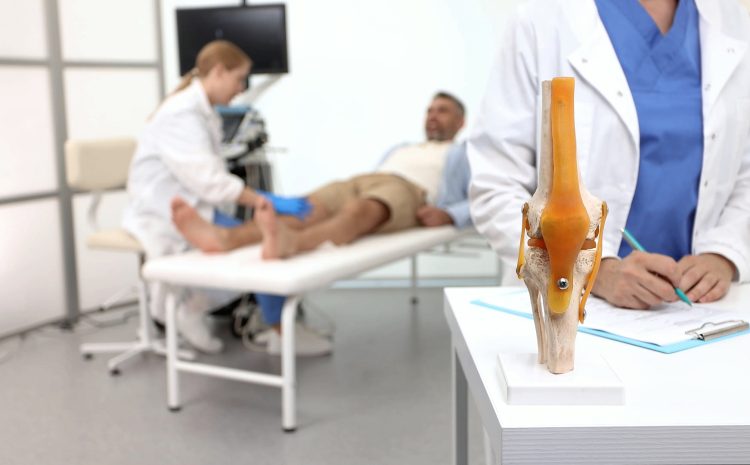
An orthopaedic evaluation usually involves discussing your symptoms, previous injuries and activities, followed by examining knee movement, stability and areas of tenderness.
Depending on the findings, an X-ray or MRI may be recommended. Not every patient requires imaging.
Treatment may include physiotherapy, activity modifications, medication when appropriate or other interventions based on the diagnosis.
Conclusion
Knee pain while driving is not always a sign of serious joint damage, but recurring discomfort should not be ignored. Understanding the underlying cause and making appropriate adjustments may help improve knee comfort and mobility.
To learn more about knee conditions and available treatment approaches, explore Dr Chintan Hegde’s Profile, or visit the Orthopaedic Services Page for information about knee care.
If knee pain persists, worsens or affects your daily activities, visit the Contact Us Page to enquire about an orthopaedic consultation.
Frequently Asked Questions
Prolonged knee bending, muscle stiffness or underlying joint conditions may cause pain after driving
Yes, extended sitting may aggravate existing knee problems and cause stiffness or discomfort.
It can be associated with arthritis, but other conditions may produce similar symptoms.
Adjust your seat so your knees remain comfortably bent and you can operate the pedals without stretching.
Seek assessment if pain persists, worsens or affects your ability to drive and perform daily activities.
Dr. Chintan Hegde
Orthopedic & Robotic Joint Replacement Surgeon
Thunga Hospital
Goraswadi Rd, beside Jaya Niwas Malad, opp. Nirman Hitech Diagnostics,
Malad West, Mumbai, Maharashtra 400064
📞 Phone: +91 7738114373
📧 Email: info@drchintanhegde.com
🌐 Website: https://drchintanhegde.com/