
Twisted Your Knee Months Ago but Still in Pain? Don’t Ignore It
Twisted Your Knee Months Ago but Still in Pain? Don't Ignore It
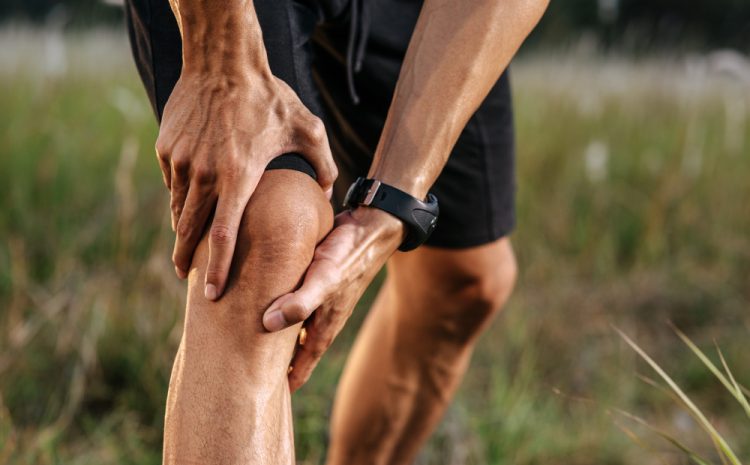
Twisting your knee during sports, climbing stairs, or even a simple misstep may seem like a minor injury at first. Many people expect the pain to settle within a few days, only to find that weeks or even months later, their knee still hurts.
Persistent knee pain after a twisting injury should not be ignored. While some injuries heal with rest, ongoing discomfort may indicate damage to the ligaments, cartilage, or meniscus. At Dr. Chintan Hegde’s orthopaedic clinic in Malad, Mumbai, it is common to see patients who delayed treatment, only to discover that an untreated knee injury had become a more significant problem.
Quick Answer
If you twisted your knee months ago and still have pain, swelling, instability, or difficulty walking, the injury may not have healed completely. Persistent symptoms can result from ligament tears, meniscus injuries, cartilage damage, or early joint degeneration.
An orthopaedic evaluation can identify the underlying cause and help you receive the right treatment before the condition worsens.
Key Takeaways
- Knee pain lasting for months after a twisting injury is not normal.
- Meniscus tears and ligament injuries are common causes of persistent pain.
- Ignoring symptoms may increase the risk of long-term joint damage.
- Early diagnosis often allows more non-surgical treatment options.
- Advanced imaging may be required to identify hidden injuries.
Why Does Knee Pain Persist After a Twist?
A twisting injury can damage structures inside the knee that are not always obvious immediately after the accident.
Although swelling and pain may reduce over time, the injured tissues may not heal properly without appropriate treatment. Continuing normal activities can place additional stress on the knee, leading to ongoing pain and instability.
Common Injuries That May Be Causing Your Pain
Persistent knee pain following a twisting injury may be caused by:
- Meniscus tears
- ACL or PCL ligament injuries
- Cartilage damage
- Tendon injuries
- Bone bruising
- Early osteoarthritis triggered by the injury
Depending on the diagnosis, treatment may involve Sports Injury Management, Arthroscopy Surgery, or Biological Therapy to restore function and reduce pain.
Symptoms You Should Not Ignore
While mild soreness may settle with time, certain symptoms require medical attention.
Watch for:
- Pain that lasts for several weeks or months
- Knee swelling that keeps returning
- Clicking or locking of the knee
- A feeling that the knee may give way
- Difficulty climbing stairs
- Pain during walking or exercise
- Reduced range of movement
These symptoms often indicate an injury inside the joint rather than a simple muscle strain.
How Is the Cause Diagnosed?
A thorough assessment helps identify the exact cause of persistent knee pain.
Your orthopaedic specialist may recommend:
- Physical examination
- Medical history review
- X-rays to rule out fractures or arthritis
- MRI scans to assess ligaments, cartilage, and the meniscus
- Functional movement assessment
Early diagnosis can prevent further damage and guide the most appropriate treatment.
Treatment Options
Treatment depends on the severity and type of injury.
Non-surgical treatments may include:
- Physiotherapy
- Activity modification
- Knee bracing
- Pain management medication
- Biological Therapy for suitable patients
When conservative treatment is not enough, Arthroscopy Surgery may be recommended to repair or treat damaged structures inside the knee. If long term joint damage has led to severe arthritis, Robotic Knee Replacement Surgery may become an option for selected patients.
When Should You Consult an Orthopaedic Specialist?
Do not wait for the pain to become unbearable before seeking advice.
Consult an orthopaedic specialist if you experience:
- Persistent pain beyond two to four weeks
- Recurrent swelling
- Knee instability
- Difficulty walking
- Locking or catching sensations
- Inability to return to sports or daily activities
Prompt treatment often leads to better outcomes and may reduce the need for more extensive procedures.
Knee Injury Care at Dr. Chintan Hegde
At Dr. Chintan Hegde’s orthopaedic clinic in Malad, every patient with a knee injury receives a detailed assessment to identify the root cause of their symptoms. Treatment plans are tailored to the individual’s condition and lifestyle, with a focus on preserving the natural joint whenever possible.
Depending on the diagnosis, care may include conservative management, Sports Injury Management, Arthroscopy Surgery, Biological Therapy, or advanced knee replacement techniques for severe joint damage.
You're Not Alone
Many people continue living with knee pain because they believe it will eventually disappear. Unfortunately, untreated ligament or cartilage injuries can gradually affect knee stability and increase the risk of arthritis.
Seeking professional advice early can help protect your knee, improve recovery, and keep you active for years to come.
Frequently Asked Questions
No. Pain lasting for several months may indicate a ligament injury, meniscus tear, or cartilage damage and should be evaluated by an orthopaedic specialist.
Yes. Many knee injuries respond well to physiotherapy, rest, and other non-surgical treatments. The appropriate treatment depends on the type and severity of the injury.
An MRI may be recommended if your doctor suspects damage to the ligaments, meniscus, cartilage, or other soft tissues that are not visible on an X-ray.
Untreated knee injuries can lead to chronic pain, instability, cartilage damage, and an increased risk of developing osteoarthritis over time.
You should seek medical advice if pain, swelling, instability, or difficulty walking continues for more than a few weeks or interferes with your daily activities.
Yes. Arthroscopy is a minimally invasive procedure that can diagnose and treat certain knee conditions, including meniscus tears, cartilage damage, and ligament injuries, when appropriate.
Conclusion
A knee injury that continues to cause pain months later should never be ignored. Persistent symptoms often indicate an underlying problem that requires proper evaluation and treatment. The sooner the cause is identified, the greater the opportunity to restore knee function and prevent long-term complications.
Protect Your Knees
If you’ve twisted your knee and the pain still hasn’t gone away, consult Dr. Chintan Hegde, an experienced orthopaedic surgeon in Malad, Mumbai. Early diagnosis and personalised treatment can help you recover safely and return to your daily activities with confidence.
Dr. Chintan Hegde
Orthopedic & Robotic Joint Replacement Surgeon
Thunga Hospital
Goraswadi Rd, beside Jaya Niwas Malad, opp. Nirman Hitech Diagnostics,
Malad West, Mumbai, Maharashtra 400064
📞 Phone: +91 7738114373
📧 Email: info@drchintanhegde.com
🌐 Website: https://drchintanhegde.com/