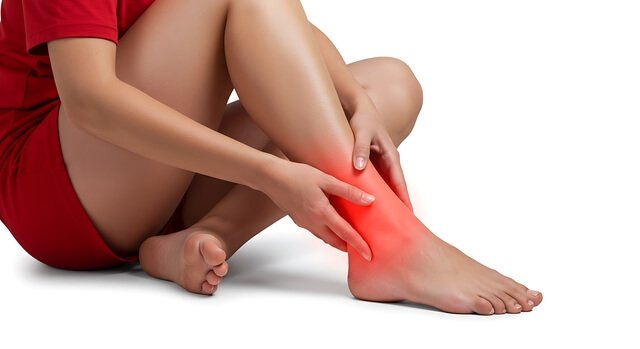
Sprains and Strains: Key Differences and How to Treat Them
Injuries to the muscles, ligaments, and tendons are extremely common, especially among athletes, fitness enthusiasts, and people with active lifestyles. Two of the most frequent injuries are sprains and strains. Although often confused with each other, they are not the same. Understanding the distinction between sprains and strains is essential for early treatment, faster recovery, and preventing long-term damage.
What Is a Sprain?
| Category | Details |
|---|---|
| Definition | Injury to a ligament (connects bone to bone). Occurs when a ligament is stretched or torn due to twisting, falling, or impact. |
| Common Sites |
- Ankle (most common) - Wrist - Knee - Thumb |
| Causes |
- Sudden twisting of a joint - Falling on an outstretched hand - High-impact sports - Walking or running on uneven surfaces - Accidents or collisions |
| Symptoms |
- Swelling - Bruising - Pain around the joint - Limited movement - "Pop" sound at injury - Joint instability (severe cases) |
| Severity Grades |
- Grade 1: Mild stretching - Grade 2: Partial tear - Grade 3: Complete ligament tear |
What Is a Strain?
| Category | Details |
|---|---|
| Definition | Injury to a muscle or tendon (connects muscle to bone). Happens when muscle/tendon is stretched or torn from overuse, sudden movement, or improper lifting. |
| Common Sites |
- Hamstrings - Lower back - Shoulders - Neck - Calf muscles |
| Causes |
- Lifting heavy objects incorrectly - Sudden muscle contractions - Overexertion - Poor posture - Repetitive-motion sports |
| Symptoms |
- Muscle spasms - Pain during movement - Swelling - Limited flexibility - Bruising - Muscle weakness |
Like sprains, strains are also classified into mild, moderate, and severe categories based on tissue damage.
Sprains vs. Strains: Key Differences
Understanding the difference helps guide appropriate treatment:
| Feature | Sprain | Strain |
|---|---|---|
| Tissue Injured | Ligaments | Muscles or tendons |
| Common Areas | Ankles, wrists, knees | Back, hamstrings, shoulders |
| Cause | Twisting or trauma | Overuse or sudden pull |
| Symptoms | Swelling, bruising, joint instability | Muscle spasms, pain, limited flexibility |
| Severity Levels | Mild → complete ligament tear | Mild → complete muscle/tendon tear |
The simplest way to remember the difference:
Sprains affect joints; strains affect muscles.
How to Treat Sprains and Strains
Both injuries require prompt care to reduce swelling, relieve pain, and prevent complications. The R.I.C.E. method (Rest, Ice, Compression, Elevation) is widely recommended for both sprains and strains.
1. Rest
Avoid putting pressure on the injured area. Rest promotes healing and prevents further damage. For severe injuries, crutches or a brace may be necessary.
2. Ice
Apply ice packs for 15–20 minutes every 2–3 hours for the first 48 hours. Ice helps reduce pain, swelling, and inflammation.
3. Compression
Use compression bandages to minimize swelling and support the injured area. Ensure it’s snug but not too tight to avoid restricting blood flow.
4. Elevation
Keep the injured limb elevated above heart level to reduce swelling.
Other Treatment Methods for Sprains and Strains
1. Pain Relief Medication
Over-the-counter anti-inflammatory drugs can help relieve pain and swelling. However, they should be used only as needed and under guidance if prolonged.
2. Heat Therapy
After the initial swelling reduces (usually after 48–72 hours), heat therapy can help relax muscles and improve blood flow.
3. Physical Therapy
High-impact or excessive activities put unnecessary pressure on the new joint.
- Restore movement
- Strengthen muscles
- Improve flexibility
- Prevent repeated injuries
4. Supportive Devices
Depending on the injury’s severity, supportive devices such as:
- Braces
- Splints
- Compression sleeves may be required.
5. Gradual Return to Activity
Returning to normal activities too soon can worsen the injury. Begin with gentle movements and gradually increase intensity.
When to See a Doctor
Seek medical attention if:
- You cannot bear weight on the injured limb
- Severe swelling or bruising appears quickly
- You heard a pop or snap during injury
- The area feels numb or cold
- Pain persists for more than a week
- There is visible deformity
- Movement is extremely limited
In severe Grade 3 sprains or strains, imaging tests like X-rays, MRI, or ultrasound may be needed to check for tears or fractures.
Complications if Left Untreated
Ignoring a sprain or strain can lead to:
- Chronic instability
- Frequent re-injury
- Muscle weakness
- Tendon or ligament tears
- Joint dysfunction
- Long-term swelling and pain
Early treatment reduces the risk of long-lasting damage.
How to Prevent Sprains and Strains
Prevention is key to avoiding painful injuries. Here are effective ways to reduce your risk:
1. Warm-Up Before Exercise
A proper warm-up increases blood flow and prepares muscles and ligaments for movement.
2. Strengthening Exercises
Stronger muscles and joints are less prone to injury. Focus on:
- Core strengthening
- Leg and arm stability exercises
- Balance training
- Avoid smoking or alcohol during recovery.
3. Wear Proper Footwear
Choose shoes that provide adequate support and cushioning, especially during sports or long walks.
4. Improve Flexibility
Stretching promotes flexibility and keeps muscles functioning optimally.
5. Use Correct Lifting Techniques
Always bend your knees and lift with your legs not your back.
6. Avoid Overtraining
Gradually increase workout intensity. Overuse injuries often occur when you push too hard too fast.
7. Stay on Even Surfaces
Avoid running on uneven ground to reduce the risk of twisting an ankle.
Conclusion: Know the Difference and Treat Early for Faster Recovery
Sprains and strains may seem similar, but they affect different tissues and require proper care for full recovery.
- Sprains involve ligaments and commonly affect joints like the ankle or wrist.
- Strains involve muscles or tendons and commonly affect the back, hamstrings, or shoulders.
Both injuries respond well to early treatment, especially the R.I.C.E. method, followed by gradual rehabilitation and strengthening. Recognizing the symptoms early and taking preventive measures can help you stay active, pain-free, and injury-free.
Contact Dr. Chintan Hegde
 Clinic Location: Malad, Mumbai
 Call Now to Book an Appointment : +91 7738114373
 Visit https://drchintanhegde.com/contact-us/
Clinic Location: Malad, Mumbai Call Now to Book an Appointment : +91 7738114373 Visit https://drchintanhegde.com/contact-us/