ACL Tear: Symptoms, Diagnosis, and Treatment Options Explained
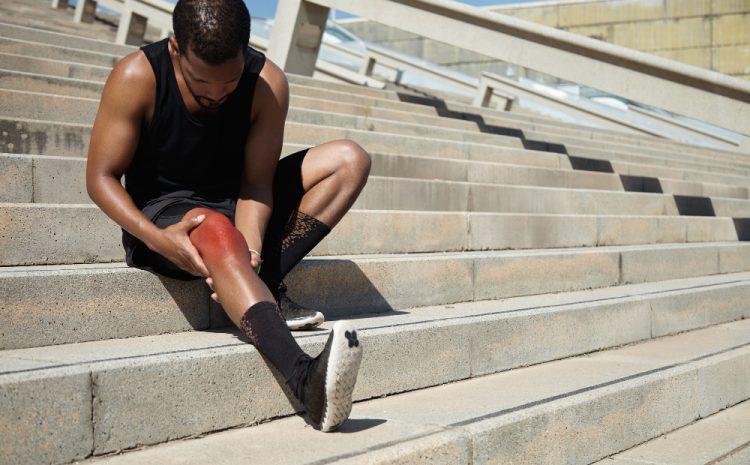
A sudden twist while playing football, an awkward landing after a jump, or a quick change in direction can put significant stress on the knee. Sometimes, you may hear a popping sound followed by swelling, pain, or a feeling that the knee is unstable. These can be warning signs of an ACL tear, a common knee ligament injury seen in athletes and active individuals.
Getting the injury assessed early can help identify the extent of the damage and determine whether physiotherapy, bracing, or surgery may be appropriate. Consulting a Sports Injury Surgeon in Malad can help you understand the injury and choose a treatment approach based on your knee stability, activity level, and recovery goals.
What Is an ACL Tear?
The anterior cruciate ligament (ACL) is one of the major ligaments inside the knee. It connects the thigh bone (femur) to the shin bone (tibia) and helps control forward movement and rotational stability of the knee.
An ACL injury can range from a mild sprain or partial tear to a complete rupture. The severity of the injury, associated damage to structures such as the meniscus, and the individual’s activity requirements all influence treatment decisions.
What Causes an ACL Injury?
ACL tears commonly occur when the knee is exposed to a sudden twisting or pivoting force. The injury may happen during sports or everyday activities.
Common situations include:
- Sudden changes in direction while running
- Incorrect landing after a jump
- Rapid stopping or deceleration
- Pivoting with the foot planted
- Direct impact to the knee
- Slipping or falling awkwardly
Football, basketball, badminton, tennis, skiing, and other sports involving frequent cutting and pivoting can increase the risk of ACL injuries. However, an ACL tear can also occur outside competitive sports.
Common Symptoms of an ACL Tear
ACL injuries often cause noticeable symptoms soon after the incident. Common signs include:
- A popping or snapping sensation in the knee
- Sudden knee pain
- Swelling that develops within a few hours
- Difficulty putting weight on the affected leg
- Reduced knee movement
- A feeling of instability or “giving way”
- Difficulty walking or changing direction
Partial ACL injuries may produce less severe symptoms. Some people may continue normal activities initially but experience instability during running, jumping, or sports.
Because similar symptoms can occur with meniscus injuries, ligament sprains, or cartilage damage, it is better not to rely on symptoms alone for diagnosis.
ACL Tear Treatment Options
Treatment is not the same for every ACL injury. The decision depends on factors such as the type of tear, knee stability, associated injuries, age, activity level, occupation, and sporting goals.
Non-Surgical Treatment
Some patients, particularly those with partial tears or limited instability, may be able to manage the injury without surgery.
Treatment may include:
- Physiotherapy
- Muscle-strengthening exercises
- Range-of-motion exercises
- Balance and stability training
- Activity modification
- Temporary use of a knee brace when recommended
Rehabilitation focuses on restoring knee movement and strengthening the quadriceps, hamstrings, and other muscles that support the joint.
ACL Reconstruction Surgery
Surgery may be considered when the ACL is completely torn and the knee remains unstable, particularly in people who participate in sports involving running, jumping, pivoting, or sudden direction changes.
ACL reconstruction involves replacing the damaged ligament with a graft. The procedure is commonly performed using arthroscopic techniques through small incisions.
The choice of graft and surgical approach depends on the individual’s injury, age, activity requirements, previous injuries, and other clinical factors. Your orthopedic specialist can explain the available options and their potential benefits and limitations.
What Happens During ACL Rehabilitation?
Recovery does not end with surgery. Rehabilitation is an important part of both surgical and non-surgical treatment.
The rehabilitation programme generally progresses through different stages:
Early phase:
The focus is on controlling swelling, restoring knee movement, activating muscles, and gradually improving weight-bearing ability.
Strengthening phase:
Exercises are introduced to improve quadriceps and hamstring strength, balance, coordination, and overall knee control.
Functional training:
Patients gradually progress to activities such as jogging, controlled jumping, agility exercises, and sport-specific movements when appropriate.
Return to sport:
Returning to competitive sports should be based on functional recovery rather than simply the number of months since injury. Strength, stability, movement quality, confidence, and sport-specific testing may all be considered.
Recovery timelines vary between individuals, so rehabilitation should be progressed under appropriate professional guidance.
Can an ACL Tear Be Prevented?
Although not every ACL injury can be prevented, certain measures may help reduce the risk, particularly for athletes.
Consider:
- Warming up properly before exercise
- Strengthening the muscles around the knee and hip
- Improving balance and coordination
- Learning safe jumping and landing techniques
- Practising controlled changes of direction
- Increasing training intensity gradually
- Avoiding a return to sport before adequate rehabilitation
Proper training technique and neuromuscular conditioning can be particularly useful for people involved in sports that require frequent pivoting and jumping.
When Should You See a Specialist?
Do not ignore a knee injury if you experience a popping sensation, significant swelling, persistent pain, or repeated episodes of the knee giving way.
An early assessment can identify the nature of the injury and whether other structures in the knee are affected. Delaying evaluation may also make it harder to determine the most suitable treatment and rehabilitation strategy.
A Sports Injury Surgeon in Malad can evaluate your symptoms, clinical findings, and imaging reports and explain whether conservative treatment or surgical reconstruction may be appropriate.
Why Choose Dr Chintan for Sports Injury Treatment?
Dr Chintan provides orthopedic care for sports-related injuries, including knee ligament problems and ACL injuries. Treatment is planned according to the individual’s diagnosis, activity requirements, and recovery goals.
The approach focuses on accurate clinical assessment, appropriate use of imaging, minimally invasive surgical techniques when indicated, and structured rehabilitation. Whether the goal is returning to competitive sport or improving stability for everyday activities, treatment is tailored to the patient’s functional needs.
Conclusion
An ACL tear can affect your mobility, sports performance, and daily activities, but timely diagnosis and the right treatment can support a safe and effective recovery. Whether you need physiotherapy or ACL reconstruction depends on the severity of your injury and your activity goals.
If you’re experiencing knee pain, swelling, or instability after a sports injury, consult Dr Chintan at his Malad clinic for a detailed evaluation and personalized treatment plan. Get expert care for ACL and other sports-related knee injuries close to home in Malad. Book your consultation today and take the first step toward getting back to an active lifestyle.
Frequently Asked Questions
Yes, some partial ACL tears can improve with physiotherapy. Complete tears with significant instability may require reconstruction.
Seek medical evaluation as soon as possible, especially if you experience swelling, pain, or knee instability.
Yes, ACL reconstruction is commonly performed arthroscopically through small incisions.
Recovery varies, but returning to competitive sports often takes 9–12 months, depending on rehabilitation progress.
Yes, some people can walk with an ACL tear. However, walking comfortably does not rule out an injury.
Dr. Chintan Hegde
Orthopedic & Robotic Joint Replacement Surgeon
Thunga Hospital
Goraswadi Rd, beside Jaya Niwas Malad, opp. Nirman Hitech Diagnostics,
Malad West, Mumbai, Maharashtra 400064
📞 Phone: +91 7738114373
📧 Email: info@drchintanhegde.com
🌐 Website: https://drchintanhegde.com/