
Is It Muscle Pain or a Bone & Joint Problem? How to Tell the Difference
Is It Muscle Pain or a Bone & Joint Problem? How to Tell the Difference
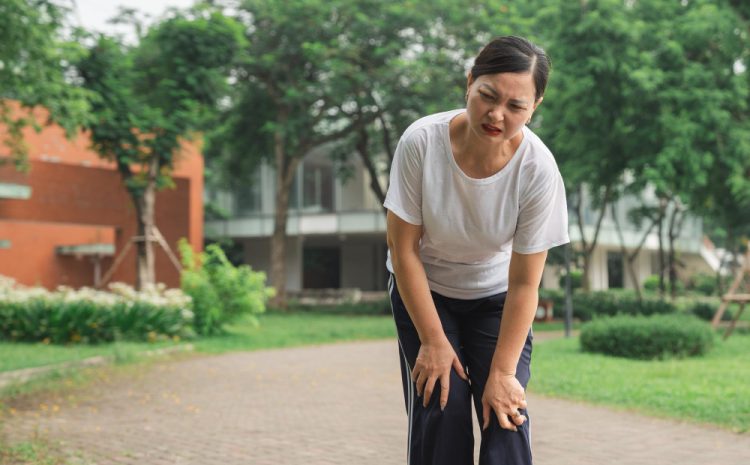
Have you ever woken up with pain and wondered whether it’s simply a sore muscle or something more serious involving your bones or joints? While muscle aches often improve with rest, persistent pain, stiffness, or difficulty moving could indicate an underlying orthopaedic condition that needs medical attention.
At Dr. Chintan Hegde’s orthopaedic clinic in Malad, Mumbai, many patients delay seeking treatment because they assume all body pain is muscular. However, conditions such as arthritis, ligament injuries, cartilage damage, or sports injuries can present with similar symptoms. Understanding the difference between muscle pain and bone or joint problems can help you seek the right treatment at the right time.
Quick Answer
Muscle pain usually develops after physical activity, exercise, or overuse and tends to improve within a few days with rest. In contrast, bone and joint pain is often deeper, more localised, and may be accompanied by stiffness, swelling, reduced movement, or difficulty performing everyday activities.
If your pain persists for more than a few days, keeps returning, or affects your ability to walk, climb stairs, or lift your arm, it is advisable to consult an orthopaedic specialist for an accurate diagnosis.
Key Takeaways
- Muscle pain often improves with rest, whereas joint pain may continue to worsen.
- Swelling, stiffness, or restricted movement usually suggests a joint-related problem.
- Previous sports injuries can lead to long-term bone and joint issues.
- Early diagnosis helps prevent further damage and supports faster recovery.
- Persistent pain should never be ignored, even if there has been no major injury.
How Can You Tell the Difference?
Muscles, bones, and joints work together to support movement, making it difficult to identify the exact source of pain without proper evaluation.
Muscle pain is generally felt within the soft tissues and is often described as soreness, tightness, or tenderness. It commonly develops after strenuous exercise, heavy lifting, or repetitive activities.
Bone and joint pain, however, is usually deeper and more specific. It may occur during movement, while bearing weight, or even at rest. Joint conditions can also cause stiffness, clicking sensations, swelling, or reduced flexibility.
Common Causes of Muscle Pain
Most muscle pain is temporary and responds well to simple home care.
- Overuse during exercise
- Heavy lifting
- Poor posture
- Muscle strain
- Dehydration
- Stress-related muscle tension
If symptoms gradually improve within a few days, they are often muscular in nature.
When Could It Be a Bone or Joint Problem?
Persistent pain may indicate an underlying orthopaedic condition rather than a simple muscle strain.
Common bone and joint conditions include:
- Osteoarthritis
- Cartilage damage
- Ligament injuries
- Meniscus tears
- Tendon injuries
- Joint inflammation
- Stress fractures
Patients experiencing knee pain, shoulder discomfort, or difficulty walking may benefit from an orthopaedic assessment. Depending on the diagnosis, treatment may involve Sports Injury Management, Shoulder Arthroscopy, or Biological Therapy, while advanced arthritis may require Knee Replacement Surgery or Robotic Knee Replacement Surgery.
Signs That Suggest Joint or Bone Pain
Certain symptoms are more commonly associated with bone or joint conditions than muscle pain.
You should pay attention if you experience:
- Pain inside the joint rather than the surrounding muscles
- Morning stiffness lasting more than 30 minutes
- Swelling around the joint
- Clicking or grinding during movement
- Difficulty climbing stairs or walking
- Pain that interrupts sleep
- Reduced range of motion
- Pain that continues despite rest
These symptoms should not be dismissed as a normal part of ageing.
How Is the Cause Diagnosed?
Because muscle and joint pain can feel similar, a thorough examination is essential.
An orthopaedic specialist may recommend:
- A detailed physical examination
- Medical history review
- X-rays to assess bone health
- MRI scans to evaluate cartilage, ligaments, and tendons
- Functional movement assessment
An accurate diagnosis ensures that treatment targets the underlying cause rather than simply relieving symptoms.
Treatment Options
Treatment depends on whether the pain originates from the muscles, bones, or joints.
For muscle-related pain, treatment may include:
- Rest and activity modification
- Physiotherapy
- Stretching exercises
- Anti-inflammatory medication
- Heat or cold therapy
For bone and joint conditions, treatment may involve:
- Personalised physiotherapy programmes
- Weight management advice
- Joint injections where appropriate
- Biological Therapy for selected patients
- Sports Injury Management for ligament or tendon injuries
- Shoulder Arthroscopy for specific shoulder conditions
- Joint Replacement Surgery, including Robotic Knee Replacement Surgery, when conservative treatments are no longer effective
Early treatment often reduces the need for more invasive procedures.
When Should You Consult an Orthopaedic Specialist?
While occasional muscle soreness is common, persistent pain deserves professional evaluation.
Consult an orthopaedic specialist if you notice:
- Pain lasting longer than one week
- Swelling or redness around a joint
- Difficulty walking or climbing stairs
- Joint instability or locking
- Limited movement
- Pain following a sports injury
- Recurrent episodes of pain
Early diagnosis can help prevent further joint damage and improve long-term mobility.
Why Choose Dr. Chintan Hegde?
At Dr. Chintan Hegde’s orthopaedic clinic in Malad, every patient undergoes a detailed clinical evaluation to identify the exact source of pain before treatment begins. Rather than focusing only on symptom relief, the approach is centred on finding the underlying cause and creating a personalised treatment plan.
From conservative care and sports injury management to advanced arthroscopy, biological therapies, and robotic joint replacement procedures, patients receive evidence-based treatment designed to restore mobility, reduce pain, and support long-term joint health.
You're Not Alone
Many people ignore persistent aches because they believe they are simply the result of ageing or everyday activity. In reality, early joint conditions are often highly manageable when diagnosed promptly.
Seeking advice early can help you stay active, protect your joints, and avoid unnecessary discomfort in the future.
Frequently Asked Questions
Muscle pain is usually sore and improves with rest, while joint pain is deeper, may cause stiffness or swelling, and often worsens with movement.
Most muscle strains improve within a few days. Pain lasting several weeks should be assessed by an orthopaedic specialist.
No. Joint pain can also result from ligament injuries, cartilage damage, tendon problems, or previous sports injuries.
Gentle exercise may help some conditions, but persistent pain should be evaluated before continuing strenuous activities.
You should seek medical advice if pain persists for more than a week, limits movement, causes swelling, or affects your daily activities.
Conclusion
Understanding whether your pain is muscular or related to your bones and joints is the first step towards effective treatment. While muscle pain often improves with rest, persistent pain, swelling, stiffness, or reduced mobility may indicate an underlying orthopaedic condition.
Rather than guessing the cause, seek a professional evaluation if your symptoms continue or interfere with daily life. Early diagnosis and appropriate treatment can help you recover more quickly and maintain an active, independent lifestyle.
Protect Your Knees
If you’re unsure whether your pain is muscular or related to your joints, don’t wait for it to become worse. Consult Dr. Chintan Hegde, an experienced orthopaedic specialist in Malad, Mumbai, for a comprehensive assessment and a personalised treatment plan that helps you move with confidence again.
Dr. Chintan Hegde
Orthopedic & Robotic Joint Replacement Surgeon
Thunga Hospital
Goraswadi Rd, beside Jaya Niwas Malad, opp. Nirman Hitech Diagnostics,
Malad West, Mumbai, Maharashtra 400064
📞 Phone: +91 7738114373
📧 Email: info@drchintanhegde.com
🌐 Website: https://drchintanhegde.com/