Minor Injury but Severe Joint Pain? Here’s What You Should Do
Severe Joint Pain After a Minor Injury? Here’s What You Should Do
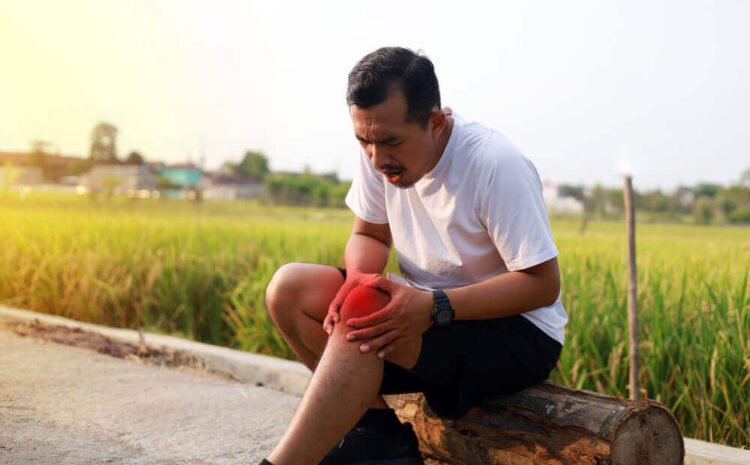
Severe joint pain after minor injury can be alarming, especially when the injury seems small. A simple fall, twist, or bump may appear harmless, but it can sometimes lead to significant damage inside the joint.
Many people ignore joint pain after minor injuries, assuming it will heal on its own. However, underlying issues such as ligament injuries, inflammation, or hidden fractures may require timely medical attention.
Why Does Severe Joint Pain Occur After a Minor Injury?
Even minor injuries can affect deeper joint structures. The pain may not always be immediate but can worsen over time.
Common causes include:
1. Ligament or Soft Tissue Injury
A sudden twist or movement can stretch or tear ligaments, leading to pain, swelling, and instability. Such injuries are commonly treated under sports injury management.
2. Hidden (Hairline) Fractures
Small fractures may not be visible immediately on X-rays but can cause persistent pain and tenderness. These require proper orthopaedic evaluation.
3. Cartilage Damage
Cartilage cushions the joint. Damage can result in stiffness, a clicking sensation, and restricted movement. In advanced cases, this may require arthroscopic surgery.
4. Inflammation and Swelling
Even minor trauma can trigger inflammation inside the joint, leading to swelling and reduced mobility. Early care can prevent worsening.
5. Underlying Joint Conditions
Conditions like osteoarthritis can flare up after minor injuries, especially in weight-bearing joints such as the knee or hip.
Warning Signs You Should Not Ignore
Seek medical attention if you notice:
- Persistent or worsening joint pain
- Swelling around the joint
- Difficulty moving the joint
- Joint instability or weakness
- Pain lasting more than 3–5 days
Ignoring these symptoms may delay recovery and increase the risk of long term joint damage.
What Should You Do Immediately After a Joint Injury?
1. Rest the Joint
Avoid putting pressure on the affected area.
2. Apply Ice Packs
Ice helps reduce swelling and inflammation.
3. Compression and Elevation
This helps control swelling during the initial phase.
4. Avoid Self Medication
Painkillers may temporarily relieve pain but can mask serious underlying issues.
When Should You See an Orthopaedic Specialist?
Consult a specialist if:
- Pain is severe even after a minor injury
- You are unable to bear weight
- Swelling or deformity is visible
- Symptoms persist beyond a few days
Early consultation with an orthopaedic doctor can help diagnose the issue accurately and prevent complications.
How Is the Cause Diagnosed?
To identify the exact cause, the doctor may recommend:
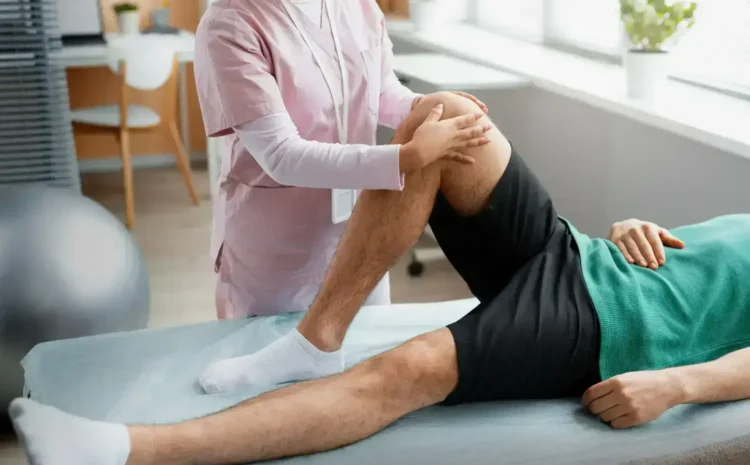
- Physical examination
- X-rays (to detect fractures)
- MRI scans (to assess ligament or cartilage injuries)
Advanced diagnostics help in planning the right treatment approach.
Treatment Options for Joint Pain After Injury
Treatment depends on the severity of the condition:
- Medications to reduce pain and inflammation
- Physiotherapy to restore movement and strength
- Supportive braces for stability
- Minimally invasive procedures like arthroscopy in severe cases
Most minor injuries heal with proper care, but timely treatment ensures faster recovery.
Expert Insight
In clinical practice, many patients tend to ignore joint pain after minor injuries, assuming it is not serious. However, early diagnosis often reveals ligament injuries, inflammation, or cartilage damage that can worsen over time.
Prompt evaluation and appropriate treatment significantly reduce recovery time and help prevent chronic joint problems.
Frequently Asked Questions for severe joint pain
Yes, even minor injuries can damage ligaments, cartilage, or bones, leading to significant pain.
Mild pain may resolve in a few days. If it persists beyond 3–5 days, medical evaluation is recommended.
Mild swelling is common, but increasing swelling may indicate internal damage.
It is best to avoid stressing the joint until properly evaluated.
No, most cases can be treated with non-surgical methods if diagnosed early.
Conclusion
Severe joint pain after a minor injury should never be ignored. While some discomfort is normal, persistent or intense pain may indicate ligament damage, inflammation, or hidden fractures.
Early diagnosis and proper treatment can prevent complications, improve recovery time, and help you return to normal activities without long-term joint issues.
arly diagnosis can prevent long-term damage and help you recover faster.
If you are experiencing severe joint pain after a minor injury, don’t wait for it to worsen.
Consult an experienced orthopaedic specialist for an accurate diagnosis and personalised treatment.
Name: Dr Chintan Hegde
Hospital: Hegde Orthopaedic
Location: Malad, Mumbai
Call: +91 7738114373
Book Appointment: https://drchintanhegde.com/contact-us/